
Enhancing Tenant Satisfaction in Commercial Office Fit-Outs

Updated: Jun 2
Commercial office fit-outs often present a complex challenge for landlords and tenants alike. While the goal is to create a functional and appealing workspace, tenants sometimes find themselves dissatisfied with the initial space. This dissatisfaction can stem from a mismatch between the tenant’s vision and the delivered environment, leading to frustration and costly adjustments. Understanding the root causes of tenant discontent and adopting effective communication and transformation strategies can help landlords build stronger relationships and ensure spaces meet expectations.
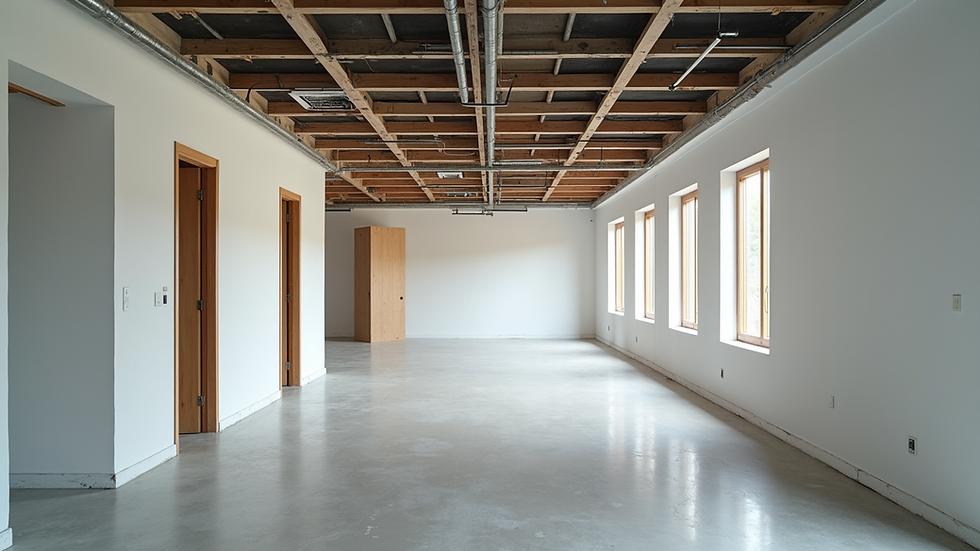
Office space under renovation showing exposed ceilings and partition walls
Why Tenants Are Often Unhappy with Initial Office Spaces
Tenant dissatisfaction usually arises when the delivered fit-out does not align with their operational needs or aesthetic preferences. Common scenarios include:
Mismatch of design and function: Tenants may find that the layout does not support their workflow or team collaboration.
Poor space utilization: Overcrowded or underused areas can make the office feel inefficient.
Inadequate lighting or acoustics: These factors significantly affect comfort and productivity but are often overlooked.
Lack of personalization: Generic finishes and layouts can make tenants feel disconnected from the space.
Unclear expectations: When tenants and landlords have different understandings of the fit-out scope, dissatisfaction is almost inevitable.
For example, a tech startup moving into a traditional office layout might feel constrained by cubicles and closed offices, which clash with their open, collaborative culture. Similarly, a law firm expecting private offices may be frustrated by an open-plan design.
The Importance of Understanding Tenant Vision and Preferences
A successful fit-out begins with a clear grasp of the tenant’s vision. This means going beyond basic requirements to understand how the tenant intends to use the space, their brand identity, and employee needs.
Landlords should:
Engage early and often: Start discussions about space use and design preferences before finalizing plans.
Ask detailed questions: What kind of work happens daily? How many people will use the space? What atmosphere do they want to create?
Consider future growth: Tenants may need flexibility to expand or reconfigure the space.
Respect brand identity: Colors, materials, and design elements should reflect the tenant’s culture and values.
Taking the time to understand these factors reduces the risk of delivering a space that feels generic or unsuitable.
Tips for Effective Communication Between Landlords and Tenants
Clear communication is key to avoiding misunderstandings and managing expectations. Landlords can improve communication by:
Establishing a single point of contact: This person manages all tenant communications to ensure consistency.
Using visual aids: Floor plans, 3D renderings, and mood boards help tenants visualize the space.
Scheduling regular check-ins: Frequent updates during the fit-out process allow tenants to provide feedback early.
Documenting agreements: Written records of decisions and changes prevent disputes.
Being transparent about limitations: If certain tenant requests are not feasible, explain why and offer alternatives.
For instance, a landlord might hold weekly progress meetings with tenant representatives to review construction milestones and address concerns promptly.
Solutions for Transforming Spaces to Meet Tenant Expectations
When tenants express dissatisfaction, landlords can take several steps to realign the space with expectations:
Flexible fit-out options: Offering modular furniture and movable partitions allows tenants to customize layouts.
Phased renovations: Implementing changes in stages minimizes disruption and spreads costs.
Incorporating tenant feedback: Adjust designs based on tenant input to improve satisfaction.
Upgrading amenities: Adding features like better lighting, soundproofing, or breakout areas can enhance the environment.
Professional design consultation: Bringing in interior designers or workplace strategists can help tailor the space effectively.
A case study involved a financial services tenant unhappy with the initial open-plan design. The landlord worked with a designer to add private meeting rooms and quiet zones, which improved tenant satisfaction and productivity.
Building Long-Term Tenant Relationships Through Fit-Out Success
Addressing tenant discontent during fit-outs is not just about one project; it impacts long-term relationships and lease renewals. Landlords who prioritize tenant needs and maintain open communication often see:
Higher tenant retention rates
Positive word-of-mouth referrals
Reduced costs from fewer post-fit-out modifications
By viewing fit-outs as a collaborative process, landlords can create spaces that support tenant success and foster mutual trust.
Conclusion: The Path to Successful Office Fit-Outs
In conclusion, creating a successful office fit-out requires a deep understanding of tenant needs and preferences. By engaging in open communication and being receptive to feedback, landlords can transform spaces into environments that foster productivity and satisfaction. We believe that by prioritizing tenant experiences, we can build lasting relationships and ensure that every fit-out project is a success.
Ultimately, our commitment to delivering high-quality drywall, ceilings, and interior finishes positions us as a leading partner in commercial interior construction. We are dedicated to executing projects with precision, reliability, and on-time performance. This approach not only enhances tenant satisfaction but also strengthens our reputation in New Jersey and New York City.
Let’s work together to create spaces that truly reflect the vision and needs of tenants, ensuring that every project is a step towards a brighter future for all involved.





Comments